
How Poor Visitor Tracking Creates Hidden Security Risks in Offices
Modern offices invest heavily in infrastructure, technology, and employee experience. But one critical area often gets overlooked, which is visitor management.
Poor systems can create serious visitor tracking security risks in offices, leaving organizations exposed to unauthorized access, data breaches, and operational threats.
What visitor tracking really means
Visitor tracking is more than just asking someone to sign a register at the reception. It involves recording identity, tracking movement, and controlling access within the workplace.
When done effectively, it creates accountability and enhances security. When ignored, it becomes a major vulnerability.
Major visitor tracking security risks in offices
One of the biggest visitor tracking security risks in offices is unauthorized access. Visitors may enter restricted areas without proper monitoring, exposing sensitive operations.
Data theft is another major concern. Visitors can easily access confidential documents, view screens, or connect external devices if controls are weak.
Manual logbooks create additional problems. They are often incomplete, inaccurate, and easy to manipulate. This makes it difficult to trace incidents or verify who was present at a given time.
There is also the risk of insider threats. Former employees, vendors, or familiar faces may bypass checks and misuse access.
Why traditional systems fail
Many offices still rely on outdated visitor management methods such as paper registers or basic entry logs.
These systems lack real time tracking, cannot integrate with surveillance tools, and provide limited visibility into visitor movement. As a result, visitor tracking security risks in offices increase significantly.
This is where modern solutions like PiLobi come into play. Instead of relying on manual processes, PiLobi enables structured and intelligent visitor tracking, helping organizations maintain better control over who enters and moves within their premises.
How to reduce visitor tracking security risks in offices
The first step is adopting a digital visitor management system. This allows automated check in, identity verification, and real time monitoring.
Access should always be restricted based on the purpose of the visit. Visitors should only be allowed into specific areas and should be accompanied when necessary.
Integrating visitor tracking with CCTV systems improves visibility and accountability. It ensures that every movement can be monitored and reviewed if needed.
Solutions like PiLobi bring all of this together by combining tracking, monitoring, and data management into a single system. This not only improves security but also reduces manual effort.
Best practices for secure visitor management
Every organization should establish clear visitor protocols.
Identity verification should be mandatory before entry. Temporary access badges should be issued and collected after the visit. Visitor duration should be monitored to prevent unnecessary access.
Employee awareness is equally important. Staff should be trained to follow security procedures and report unusual activity.
Using a system like PiLobi helps standardize these practices and ensures consistency across the organization.
Final thoughts
Ignoring visitor tracking security risks in offices can lead to serious consequences, including data breaches, safety issues, and loss of trust.
As workplaces become more dynamic, relying on outdated systems is no longer an option. Organizations need smarter, more reliable solutions.
By combining strong processes with modern tools like PiLobi, businesses can create a secure environment where every visitor is tracked, monitored, and accounted for.
Security today is not just about prevention, it is about visibility and control.

Related Posts

7 Benefits of Implementing a Visitor Management System Today
Introduction Efficient visitor management system is no longer merely a perk for today’s organizations....
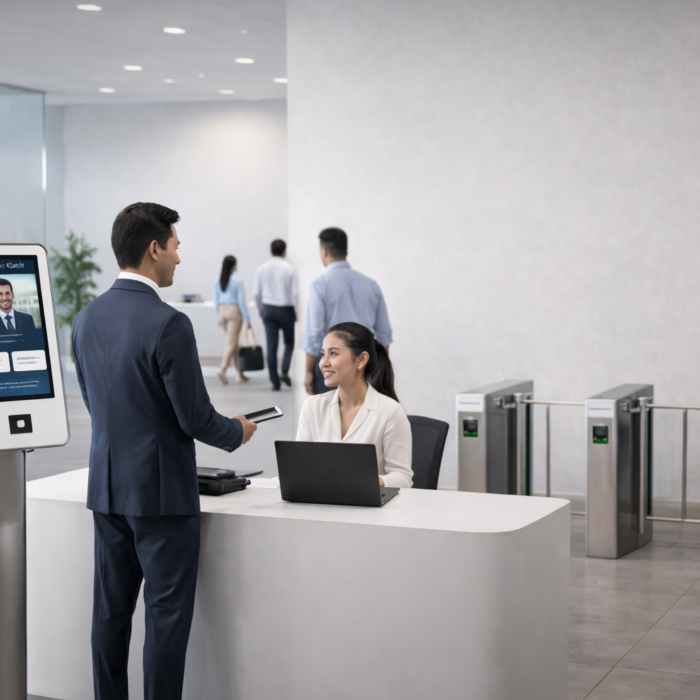
Top Challenges in Office Visitor Management (And How to Solve Them)
Introduction Walk into any growing office today and you’ll notice one thing immediately- chaos at the front desk. Unplanned...

The Hidden Operational Costs of Manual Visitor Management in Offices
Many offices still rely on traditional visitor registers to track guests entering their premises. At...
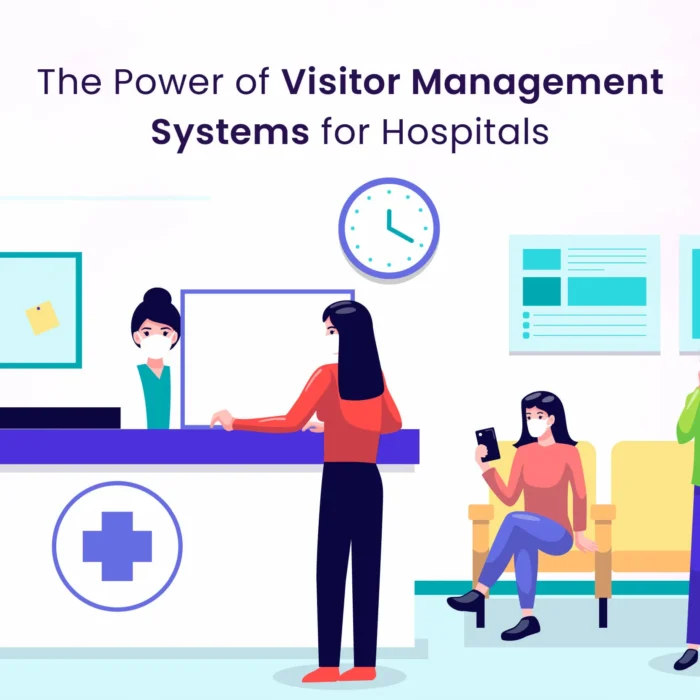
The Power of Visitor Management Systems for Hospitals
Managing visitors in hospitals or any other healthcare center is no longer an easy...

8 Reasons Why Businesses Need Visitor Management Systems
Do you know that to maintain a professional and secure front office in a...
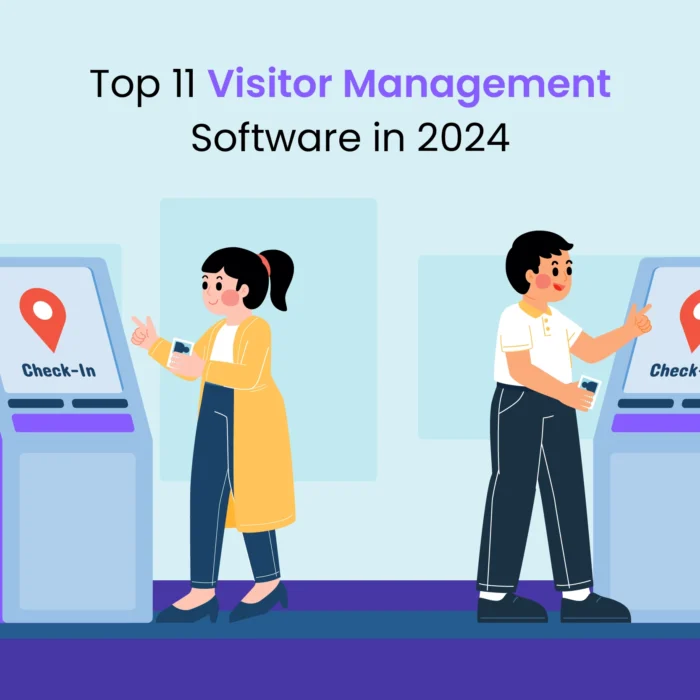
Top 11 Visitor Management Software in 2024
In the hectic world of modern business, monitoring who enters the company is more...